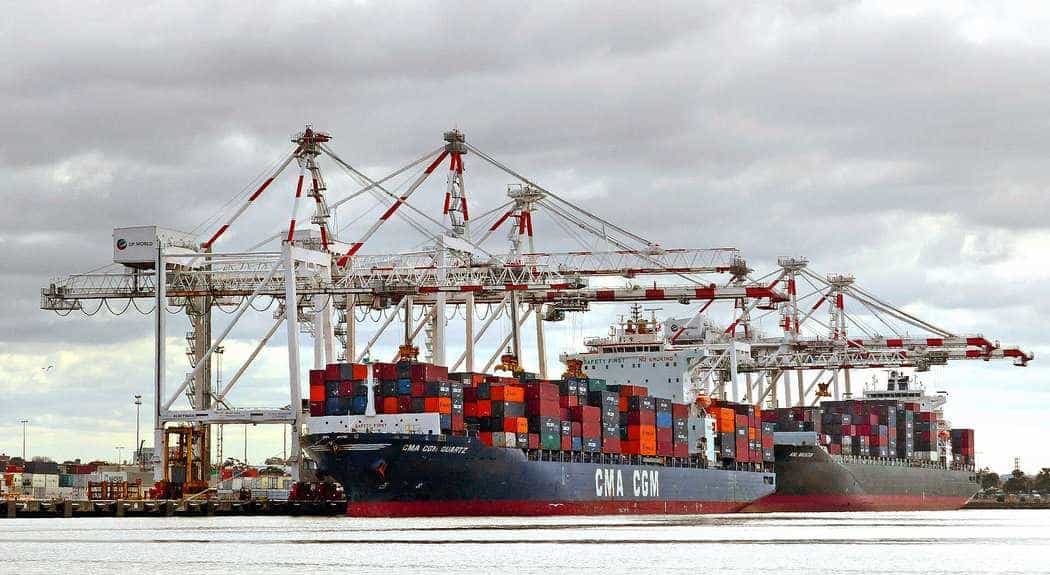

Dropshipping has made it possible for almost anyone in Australia to open an online store. You don't need a warehouse, a shopfront or a garage full of stock. You choose products, build a store, and when a customer orders, your supplier ships the item straight to them. It's a genuinely useful way to test product ideas and build a brand with modest upfront costs.
What the success stories often leave out is that, in Australia, you are the retailer. Your customers buy from you, so you're responsible for the consumer guarantees, honest advertising and delivery promises. You may need an ABN and GST registration. Products you've never touched must meet Australian safety standards. Overseas goods face border and biosecurity rules. And your marketing emails must follow the Spam Act.
This site is an independent, plain-English guide to all of that. We explain how dropshipping works, how to find and vet suppliers, and how to run a store that treats customers fairly and stays on the right side of the ATO, the ACCC, the Australian Border Force and ACMA. Every guide links to the official sources so you can check the details for yourself. We don't sell products, run a supplier directory or take commissions from suppliers.
10%
GST
On most taxable sales
$75,000
GST threshold
Register within 21 days
A$1,000
Import threshold
Above it, a formal declaration is needed
How dropshipping works
According to Wikipedia, drop shipping is a form of retail where the seller accepts orders but doesn't keep goods in stock. Instead, the order goes to a manufacturer, wholesaler or other supplier, which ships it directly to the customer. You earn the difference between your selling price and your costs.
Those costs add up. From each sale you'll pay the supplier, shipping, platform and payment fees, advertising, refunds and, once you're registered, GST. That's why our margin calculator is the first tool we suggest you use. Plug in your real numbers and see what each order actually leaves you.
Start with the foundations
Our start dropshipping section covers the groundwork:
- What dropshipping is, who does what, and the pros, cons and myths.
- ABN, business name and structure: when you need an ABN, registering a name with ASIC, trade marks and choosing a structure.
- GST for online sellers: the $75,000 threshold, one-eleventh pricing, tax invoices, overseas suppliers and BAS.
- Income tax and record keeping: declaring income, deductions, losses, foreign currency and the five-year record rule.
Choose suppliers and products carefully
Your supplier ships every order in your name, so choosing well is the biggest decision you'll make. Our find suppliers section explains:
- How to choose a dropship supplier: verifying businesses, ordering samples, the questions to ask, agreements and red flags.
- Overseas suppliers and imports: the A$1,000 threshold, GST on low value goods, prohibited goods, biosecurity and counterfeits.
- Product safety and banned products: mandatory standards, bans, button batteries, electrical goods, recalls and mandatory reporting.
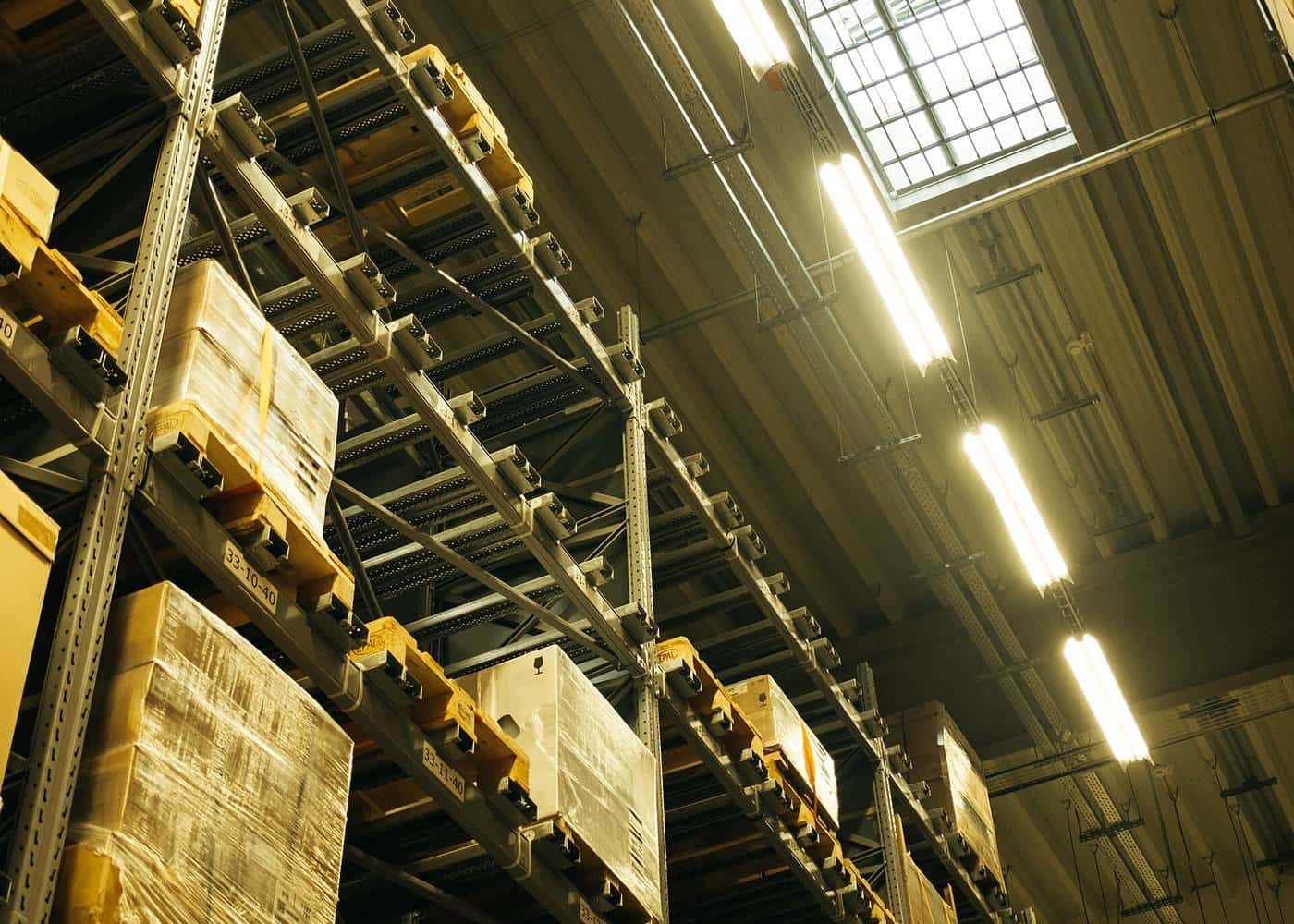
Run your store well
Once you're trading, the run your store section covers the everyday obligations:
- Refunds and consumer guarantees: major and minor problems, change of mind, and why "no refunds" signs are illegal.
- Delivery times and shipping promises: honest delivery estimates, showing fees, lost parcels and stock-outs.
- Pricing and margins: true cost per order, break-even ad spend and genuine discounts.
- Email marketing and privacy: consent, identification and unsubscribe under the Spam Act, and privacy basics.
Five rules that prevent most problems
- You are the seller. Customers can seek remedies from you, not your supplier. Build your processes around that.
- Describe products honestly. Accurate photos, descriptions, prices and delivery times prevent most complaints and refunds.
- Check compliance before you list. Safety standards, bans, import restrictions and biosecurity rules apply to products you never touch.
- Know your numbers. Revenue isn't profit. Track your true cost per order and your break-even advertising cost.
- Stay registered and organised. Get an ABN if you're in business, watch the GST threshold, and keep records for five years.
Who this guide is for
- Beginners researching whether dropshipping suits them.
- New store owners setting up registrations, policies and suppliers.
- Existing sellers checking their refund, delivery and pricing practices against Australian rules.
- Side hustlers wanting to understand tax and record keeping before it becomes a problem.
How we research
We base our guides on official and authoritative sources, including the Australian Taxation Office, the Australian Business Register, ASIC, the ACCC and Product Safety Australia, the Australian Border Force, the Department of Agriculture, Fisheries and Forestry, ACMA and the OAIC. We cite our sources on every page and update guides when rules change. We don't invent statistics, typical earnings or costs. Where we use example numbers, we label them as illustrations. Read our editorial policy for more.
Our guides are general information, not legal, tax or financial advice. Rules change and every business is different, so check the official sources and speak to a registered professional about your situation.
About this domain
AustralianDropshippers.com.au previously hosted a dropship supplier directory and blog run by a different operator. That site no longer operates. The domain was relaunched in 2026 as an independent guide, with every page written from scratch. We're not connected with the previous operator, and we don't list or endorse suppliers.